
I’m planning to start going out to sketch using dip pens at least part of the time this year. Back before WWII, steel nibs were made in the tens of millions in many countries. They replaced feather quills and after the 1840s were the only option available for writing and drawing with ink. Artists like Joseph Pennell and Frank Brangwyn created wonderful location sketches this way. They were only superceded by the arrival of fountain pens and then ball point pens, the latter after WWII, but are still around today, both new and vintage, and are loved by cartoonists, manga artists, calligraphers, fine handwriting fans and artists like myself.
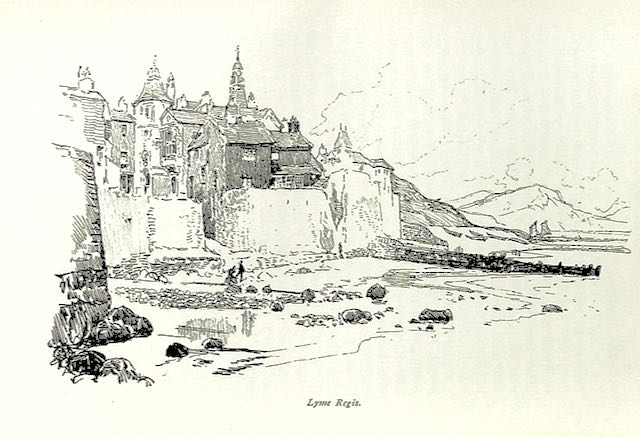
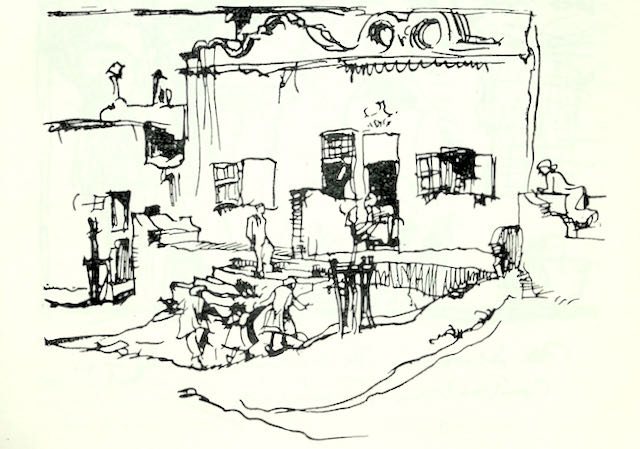
The first problem I needed to solve was how to safely carry around the nibs, ink and holders. I tried a few ideas with small boxes or pencil storage cases that I already had but nothing really worked. Then I came across a huge variety of cloth zip bags for cosmetics, pencils, sewing supplies and more on Amazon. After pouring over too many choices I decided on this one from Easthill, figuring I could send it back if it didn’t work. But it does! It opens on both sides so provides a good choice of storage options.
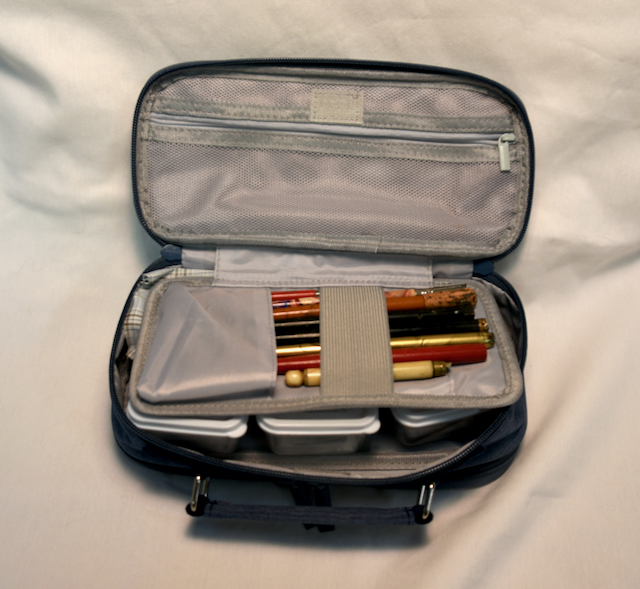
I decided to put the nib holders in the top pocket and, as you can see, there’s room for quite a few.

Folding that up here’s the main compartment on that side. It holds all my nibs, organized into three small containers by brand, plus two good-sized rags and two vintage portable inkwells I found on Etsy. I think that’s really the way to go since they’re designed to close tightly and not leak. But when looking at the photos and reading the description in the listings try to make sure that the gasket in the inner lid still works and hasn’t failed through getting hard and cracked. Also that the small vessel that holds the ink is still there and uncracked or broken.

Here I’ve removed the tops so you can see how I’ve stored the nibs, a few of each kind in a small ziploc bag, all labeled.

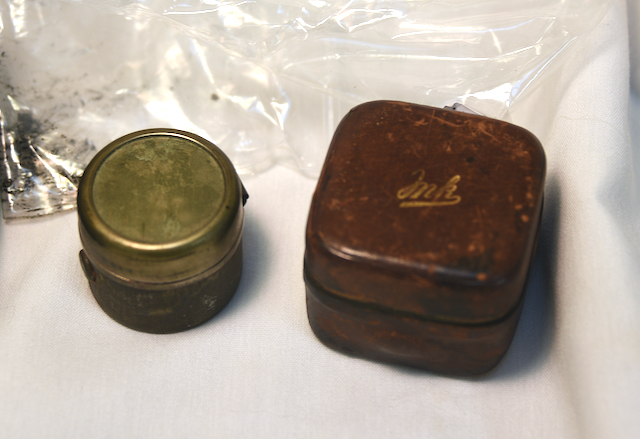
Here are the inkwells. They each go into a ziploc plastic bag. The one on the left is a vintage Russian navel inkwell. The one on the right is a very common style of English travel inkwell.


And here they are open. You can see that they have a double lid. an outer and inner. The outer lid opens by pushing a small button on the outer case. The inner lid has a small spring lever release on the side. A common solution to the problem but not the only one. The inside of the lid should have a gasket that seals the edge. There should be a small glass “cup” that holds the ink. I use a craft syringe to refill them. You can turn these inkwells upside down and shake them and, if they’re in good repair, they won’t leak. So this is how the problem was solved back in the day if one wanted to carry ink around in one’s pocket. (A future post will feature my collection of vintage inkwells.)
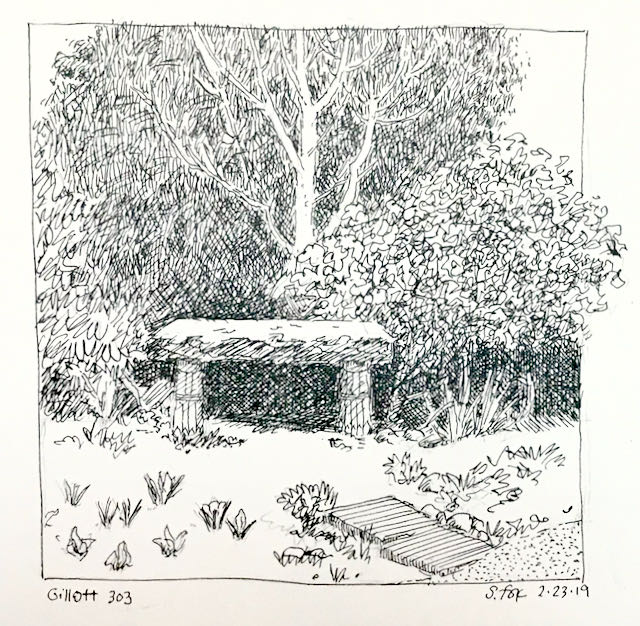

Here’s a closeup of the nib holders I’ll start with. They have a variety of ways they hold the nibs, which is necessary since the nibs come in a variety of sizes, both length and width. It’s definitely not “one size fits all” when matching a nib with a holder.

This is the other side of the case. It holds basic drawing supplies…a mechanical pencil, an HB Cretacolor Monolith graphite pencil, a stick eraser, a kneaded rubber eraser and a pencil sharpener. This is what I tossed in to get started. As I start to test drive it I’ll probably make some changes/ additions to it. But this is a good start!
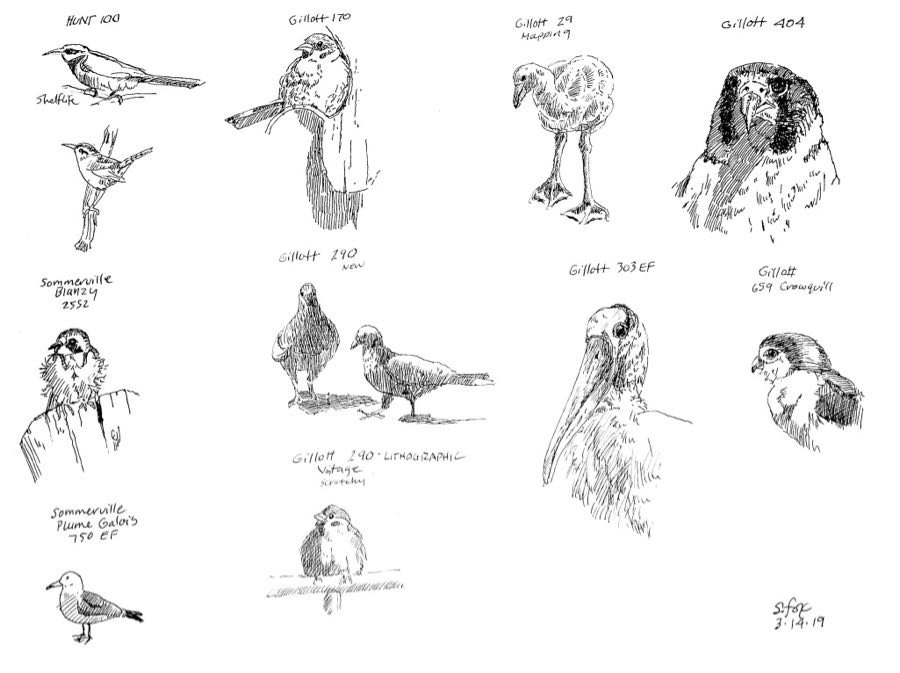
Finally, it really pays to get to know your nibs before heading out into the great outdoors. I test them by doing small direct drawings from photos I’ve taken. This gives me a quick visual reference for the kind of line each nib makes. I highly recommend this. You don’t have to do animals, but choose subjects that have features and details worth spending a bit of time over.
Have you used dip pens to draw on location? If so, let me know in the comments!


 SketchWild
Leave a reply to foxstudio Cancel reply